Group 3
Geography
IB Geography follows a general rather than a regional approach. Its attraction lies in being a blend of social and physical sciences covering a wide range of issues.

Objectives
IB Geography follows a general approach, not a regional one. Participation does not require specific prior knowledge, only a willingness to learn. The attraction of geography is due to its character as a blend of social and physical sciences and the wide range of issues covered – which also means that quite a lot of knowledge has to be present for the exams. To limit the scope of topics, a core theme is defined and two optional themes must be chosen.
The overall aim of geography is to find the patterns and systems behind the seemingly infinite variety we find on Earth, to make our world more understandable and manageable. Working with models and theories is necessary to reduce complex reality to a level that does not simplify too much but allows us to see the essential behind the individual traits. The individual characteristics of regions and groups of people are still considered: numerous case studies supplement the more general analysis of interactions between people and their physical environments.
Another element adding to the attraction of geography is the question of change, over time and in spatial contexts. Geography is not only about where (distribution, location, clustering) but also how (development, processes), when (historical dimension) and why (causes, factors). It also provides a wide range of skills and methodologies useful in many fields of learning, and aims to help you understand the environment and its changes and realise the necessity for responsible planning and sustainable management, from the personal and local to a global scale.
Topics
The core theme is ‘Patterns and Change’ and falls into four distinctive but interrelated divisions:
- Populations in transition (demography, population geography: change, structure, migration)
- Disparities in wealth and development (North–South, reducing inequalities)
- Patterns in environmental quality and sustainability (climate change, water scarcity, soils at risk, biodiversity in danger, sustainability)
- Patterns in resource consumption (ecological footprint, food, energy, conservation)
The options are:
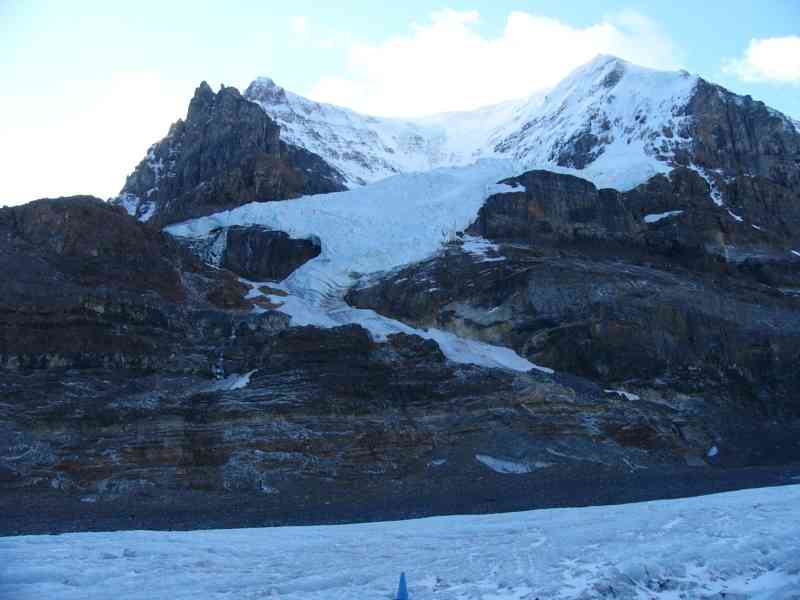
- Option C: Extreme Environments – hot arid environments (deserts) and cold and high-altitude environments (polar and mountain regions): physical features, distribution, land use (agriculture, mining, tourism) and the need for sustainable management strategies.
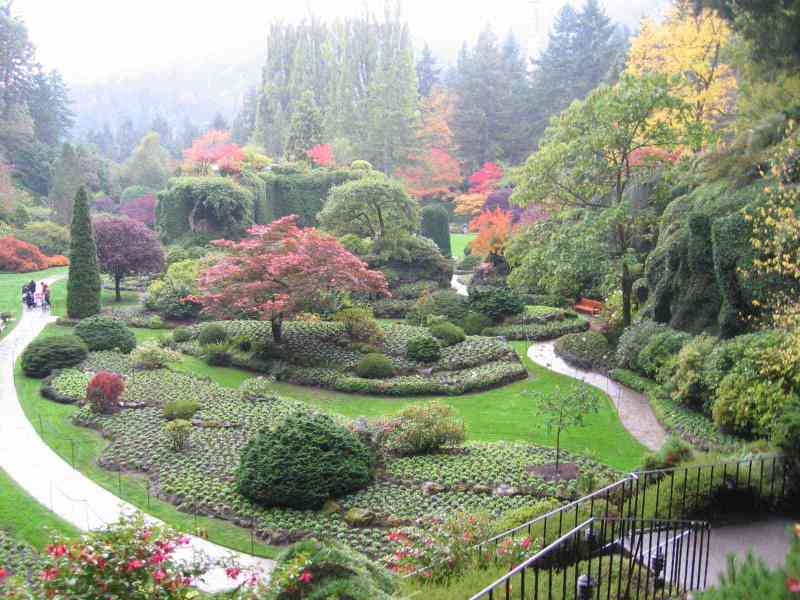
- Option G: Urban Environments – more than half of the world's population lives in cities. This option is about change: how it is brought about, analysed and best managed to minimise negative impacts, including urban population, urban land use and questions of sustainability. Fieldwork is conducted in our local urban environment.
Assessment
Since all parts of the examination are in written form, this is practised regularly in class and as homework. Active oral participation is essential to learn the necessary skills and to gauge one's own achievement. There are two mock exams per semester, homework is submitted, and the Fieldwork Report is planned, drafted and written. On this basis the teacher awards a predicted grade, though most of the assessment is carried out by external examiners. Assessment components at Standard Level:
- External assessment (2 hours 50 minutes) – 75%:
- Paper 1 (90 minutes): core theme – 40%. Section A: short-answer questions (all); Section B: one extended-response question.
- Paper 2 (80 minutes): two optional themes – 35%. Two structured questions based on stimulus material, each from a different optional theme.
- Internal assessment (20 hours) – 25%: a written report based on fieldwork (maximum 2,500 words), internally assessed by the teacher and externally moderated by the IB.
All in all, Geography requires constant and planned commitment, because a lot of requirements have to be fulfilled by the end. These can be learned, however, and learning them is very rewarding, as the skills are helpful in many fields beyond geography. Learning about the Earth is essential in itself. Save the Earth – it's the only planet with chocolate.
Downloads
Galerie
Einblicke